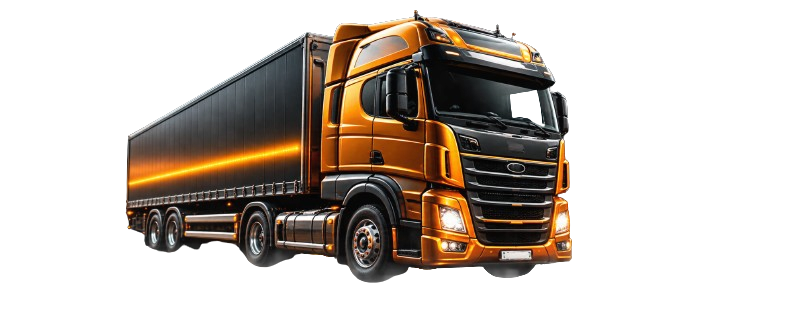
Truck & Parts Visual Gallery
Explore commercial trucks, important mechanical systems and key components through our visual truck gallery for Hamilton and New Zealand vehicle operators.
Understand Your Truck Visually
A commercial truck is made up of many systems working together. This gallery is designed to do more than display truck photographs. It provides a visual introduction to truck designs, engines, braking systems, suspension, steering, drivetrain components, tyres and maintenance areas. For truck owners and operators in Hamilton, understanding these major systems can make it easier to recognise changes in vehicle performance and communicate mechanical concerns when maintenance is required.
Different Truck Designs, Different Working Demands
Commercial vehicles are built for different jobs. Vehicle size, configuration, load requirements and operating conditions can all influence servicing and maintenance needs.
Heavy Commercial Trucks
Heavy trucks are designed for demanding transport work and may experience significant mechanical loads across engines, brakes, suspension and drivetrain systems.
Road Transport Trucks
Built for regular road use and commercial transport operations.
Working Vehicle Fleets
Fleet vehicles benefit from organised inspection and maintenance schedules.

Truck Engine & Engine Bay
The engine is one of the most important systems in a commercial vehicle. It converts fuel energy into the power required to move the truck and support demanding commercial workloads.
Truck engines operate for long periods and often under significant load. Regular servicing can therefore play an important role in maintaining dependable operation. Oil condition, cooling performance, filters, belts, hoses and other supporting components can all affect how an engine performs.
Changes in engine sound, power delivery, temperature or warning indicators should not automatically be ignored. Investigation can help determine whether maintenance or mechanical attention is needed.
Commercial Truck Braking System
A truck braking system must manage the weight and momentum of a commercial vehicle. For that reason, braking components deserve regular attention as part of normal truck maintenance.
Different trucks may use different braking configurations and components. Inspection may involve checking visible wear, braking behaviour and related mechanical components according to the vehicle and the symptoms being investigated.
Changes such as unusual noises, vibration or different braking response can provide useful information when describing a concern to a mechanic.


Suspension & Steering Components
Suspension supports vehicle stability, load management and ride behaviour, while the steering system allows the driver to control the direction of the truck. Both systems operate under considerable mechanical stress in commercial vehicles.
Heavy loads, road conditions and regular use can contribute to wear over time. Changes in handling, unusual movement or uneven tyre wear may justify further inspection because several vehicle systems can contribute to these symptoms.
Maintaining suspension and steering components is an important part of keeping a working truck predictable and dependable on the road.
Drivetrain & Transmission
Producing engine power is only part of moving a truck. That power must be transferred through the drivetrain to the driven wheels. The drivetrain can include transmission, driveshaft and differential components depending on vehicle configuration.
These parts operate together under load. Changes in shifting, unusual mechanical noises, vibration or differences in power delivery may indicate that further inspection is appropriate.
Regular maintenance of relevant fluids and components can form an important part of a commercial vehicle maintenance programme.


Truck Wheels & Tyres
Tyres are the truck's direct contact with the road, making their condition relevant to handling, braking and general vehicle operation. Commercial vehicle tyres also operate under substantial loads and varying road conditions.
Tyre condition can be influenced by inflation, loading, wheel alignment, suspension condition and driving conditions. Uneven wear may therefore provide useful information about more than the tyre itself.
Routine visual checks can help operators notice obvious changes, while professional inspection can investigate underlying mechanical causes when unusual wear or handling behaviour develops.
What Mechanics Look Around
A truck is a connected mechanical system. Looking at several areas together can provide a clearer picture of vehicle condition.

Engine Bay
Contains the engine and supporting systems responsible for power, cooling and vehicle operation.

Braking Components
Important mechanical components involved in controlling and reducing vehicle speed.

Drivetrain
Transfers power from the engine and transmission toward the driven wheels.

Wheels & Tyres
The vehicle's road contact points, influenced by loading, alignment and suspension condition.
Truck Maintenance for New Zealand Roads
Commercial vehicles around Hamilton and the wider Waikato region can operate across urban roads, highways, rural routes and demanding working environments. The combination of distance, vehicle load, road conditions and regular commercial use makes planned maintenance an important part of truck ownership.
Understanding the main systems shown in this gallery can help operators communicate more clearly when something changes. A visual gallery cannot diagnose a mechanical fault, but it can make the major parts of a commercial truck easier to understand and highlight why different systems should be considered during maintenance.
Noticed Something Different With Your Truck?
Contact Truck Mechanic Hamilton and tell us about your vehicle, the symptoms you have noticed and the mechanical support you need.